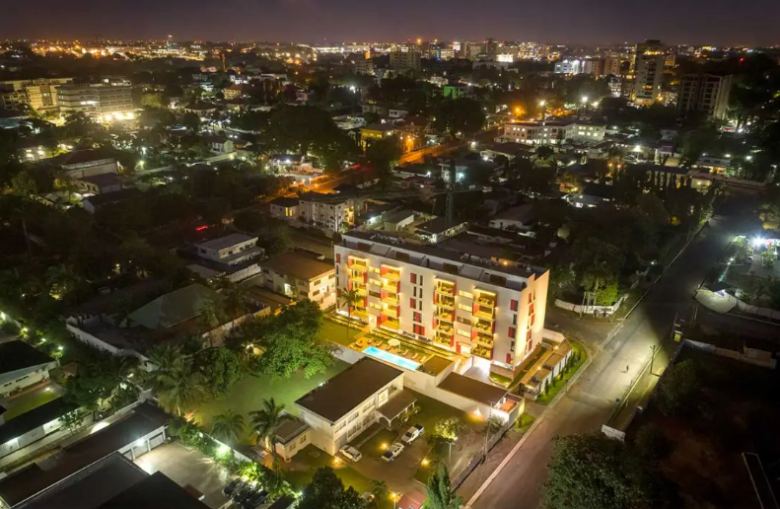
Still paying rent in East Legon or Spintex while watching property prices rise?
Owning your first home in Accra is possible. This guide gives you the exact steps to do it safely, without losing money to avoidable mistakes.
How to buy a house in Ghana: Why the process Feels So Complicated
Akua paid rent in Adenta for six years. Every December, her landlord raised the rate. She saved, she researched, she asked friends. Still, fear of getting scammed, not knowing which area to choose, and uncertainty about financing kept her from making a move.
Her story is common. Ghana’s property market is growing fast, with annual value appreciation of 10-12% in prime Accra locations. But without the right information, that growth benefits sellers and developers more than first-time buyers.
This step-by-step guide removes the guesswork. Follow these nine steps, and you’ll move from renting to owning without the anxiety.
Step 1: Separate Your Must-Haves from Nice-to-Haves
Most first-time buyers start by browsing listings before defining what they actually need. That leads to confusion and wasted time.
Write down your non-negotiables before viewing any property:
- Number of bedrooms (based on household size, not aspiration)
- Maximum commute time to work or school
- Budget ceiling, including all purchase costs
- 2-3 preferred corridors: Adenta-Oyibi, Spintex-Tema, Tantra Hill-Pokuase
Once your must-haves are clear, nice-to-haves (rooftop terrace, walk-in wardrobe) stay in perspective. They do not drive the decision.
Step 2: Calculate What You Can Realistically Afford
The purchase price is not your only cost. First-time buyers in Accra frequently underestimate what homeownership actually costs.
Budget for these from day one:
- Purchase price (apartments in Adenta start from $61,000; East Legon from $350,000)
- Legal and registration fees: typically 3-5% of purchase price
- Stamp duty and Lands Commission charges
- Valuation and surveyor fees
- Monthly service charges for estates and gated communities
- Moving costs and initial furnishing
A safe rule: total monthly housing costs should not exceed 35-40% of your net monthly income. Compare your current rent against an estimated mortgage payment to see where you stand.
Step 3: Know Your Financing Options Before You Start Viewing
Many buyers fall in love with a property before confirming they qualify for financing. That is a painful and avoidable situation.
Your main options as a first-time homebuyer in Accra:
- Bank mortgages: Most Ghanaian banks offer home loans. Rates currently sit between 22-28% per annum, so compare products carefully.
- Developer payment plans: Off-plan purchases often come with staged payment schedules and lower entry points.
- Employer-assisted schemes or SSNIT-linked products: Check what your employer or union offers.
- Personal savings plus family support: Still common for first purchases in the mid-range segment.
Get a pre-qualification or pre-approval before house hunting. Knowing your real budget prevents disappointment and speeds up the process when you find the right property.
Step 4: Choose the Right Property Type for Your Life Stage
Each property type comes with different responsibilities, costs, and lifestyle implications.
- Apartment in a gated estate: Lower maintenance burden, built-in security, and monthly service charges. Good fit for singles, couples, and young families.
- Townhouse or duplex: More space, shared walls, moderate service charges. Suits growing families.
- Standalone home on a private plot: Maximum privacy, full maintenance responsibility, no service charges. Good for buyers with a budget for upkeep.
- Serviced plots in planned estates: Lowest entry price, but you manage construction. Requires experience or strong professional support.
For most first-time buyers in Accra, an apartment or townhouse in a managed estate is a good choice.
Areas like Adenta, Oyarifa, Community 25, or McCarthy Hill offer a strong mix of security, affordability, and resale value.
Step 5: Build Your Home-Buying Team
Buying alone, without professional support, is where most first-time buyers in Accra get hurt financially. The money you save on fees is rarely worth the risk.
You need:
- A trusted real estate advisor who knows your target neighbourhoods, not just listings
- A property lawyer who specialises in land and real estate transactions
- A qualified surveyor or valuer to confirm boundaries and market pricing
Vet your agent with these three questions: How many properties have you sold in this area in the last 12 months? Who do you represent, buyer or seller? Can you provide references from recent clients?
Step 6: View Properties the Right Way
After three or four viewings, properties start blending together. Go prepared.
- Visit at different times: morning for traffic, evening for noise and security
- Check access roads and drainage conditions during the rainy season
- Confirm water pressure, power reliability, and internet infrastructure
- Ask for the service charge breakdown in writing
- Take photos and notes at every viewing
View at least 5-7 properties in 2-3 target areas before shortlisting. Rushing the first property that looks good is one of the most common and costly mistakes first-time buyers make.
Step 7: Do Your Due Diligence Before Paying Anything Significant
This is the step where buyers in Ghana get into serious trouble. Skipping due diligence to save time or build goodwill with a seller is a risk not worth taking.
- Verify title documents through the Lands Commission (onlineservices.lc.gov.gh)
- Check for encumbrances, liens, or competing ownership claims
- For customary land: confirm stool or family authority and look for any parallel claims
- Confirm Town and Country Planning alignment for your intended use
Do not pay any significant amount or sign binding documents until your lawyer has completed these checks. This rule applies even when buying from a well-known developer.
Step 8: Make Your Offer and Negotiate Firmly
Base your offer on three factors. These are the asking price, recent comparable sales in the same area, and the estimated cost of repairs.
Use conditional offers when appropriate. Stating that an offer is subject to financing approval or a clear title search protects you if either check fails.
Your Sale and Purchase Agreement should include the agreed price and payment timeline. It should also list included fixtures and fittings. It should set out penalties if either party defaults. Your lawyer drafts and reviews this, not the seller.
Step 9: Close the Deal and Protect Your Ownership
The closing process in Accra typically follows this sequence:
- Sign the Sale and Purchase Agreement
- Pay the agreed deposit into a secure arrangement
- Complete bank valuation and financing documentation if using a mortgage
- Lawyer finalises title search and clears all checks
- Pay the balance, stamp duty, and registration fees
- Register the property in your name at the Lands Commission
Keep physical and digital copies of every document. Confirm your name appears correctly on the title and in the Lands Commission registry before handing over final payment.
5 Mistakes First-Time Buyers in Accra Make (and How to Avoid Them)
- Choosing a property for its finishes, not its location or documents: Location and title always outweigh aesthetics.
- Underestimating total costs beyond the purchase price: Budget 5-8% extra for fees, registration, and move-in costs.
- Paying large sums without formal receipts or agreements: Every payment needs written documentation, no exceptions.
- Skipping professional help to save money: A GHS 2,000 legal review is cheaper than losing a GHS 200,000 property.
- Rushing a decision on the first attractive listing: View at least 5-7 properties before seriously shortlisting.
Most first-time buyers in Accra lose money not because they lack funds, but because they lack the right guidance at the right time.
Sarah Arthur has guided 200+ property transactions in Accra across 15 years, with zero fraud on record. The process works when you follow it with a trusted advisor beside you.
1. Book a discovery call | 2. Get your personalised buying plan | 3. Move from renter to owner with confidence
Frequently Asked Questions
How much down payment do I need to buy a first home in Accra?
Most banks require 20-30% of the purchase price as a down payment. Some developer payment plans accept less, but lower deposits often mean higher total costs. Budget for this before you start viewing.
Is it better to buy land and build, or buy a completed house as a first-timer?
Buying a completed property is generally safer for first-time buyers. Building involves managing contractors, costs, and timelines, which adds risk. Once you have one property and experience, land-and-build becomes a viable option.
How long does the buying process take from viewing to keys?
A typical transaction in Accra takes 2 to 4 months from offer acceptance to key handover. This depends on financing, title clearance speed, and Lands Commission processing. Budget for 3 months as a realistic target.
Do I need a lawyer if I’m buying from a big, well-known developer?
Yes. Developer agreements are written to protect developers, not buyers. A property lawyer reviews the contract terms, checks the title, and protects your interests. This is not an area to cut costs.
What documents should I never buy a property without seeing?
Indenture or deed of assignment, site plan, Lands Commission search results, and proof of the seller’s right to sell. Include building permits where needed. If any of these are missing or unclear, do not proceed until they are resolved.
Ready to Buy Your First Home in Accra?
You deserve a clear process, a fraud-free transaction, and a trusted advisor protecting your investment. Book a discovery call with Sarah Arthur today.
Visit sarah-arthur.com or WhatsApp us to get started.
Your Trusted Realtor in Ghana. Real Estate. Lifestyle. Legacy.