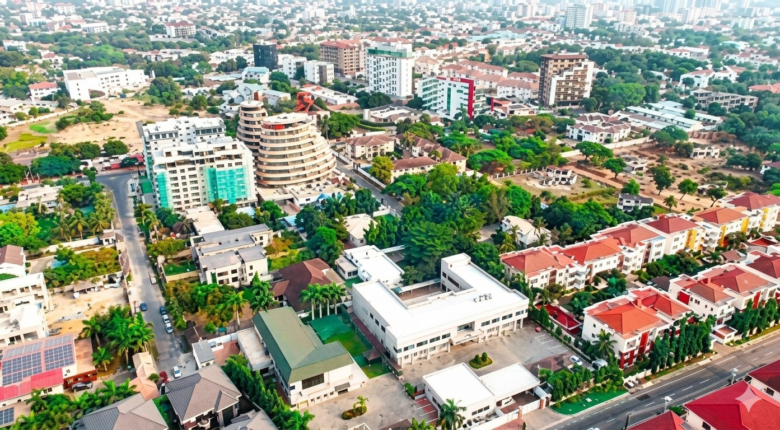
Choosing where to live in Accra shapes your daily experience in ways most people underestimate. Your neighborhood determines morning commute stress levels, school options for children, security comfort, and long-term financial returns if you’re buying property.
In 2026, Accra’s real estate landscape offers clear choices: established prime zones commanding premium prices but delivering instant lifestyle rewards, family-friendly middle-market areas balancing affordability with solid infrastructure, and emerging growth corridors trading convenience for superior investment returns.
Ghana’s property market continues expanding, with prime locations appreciating 10-12% annually while delivering rental yields between 8-11%. For diaspora investors managing cross-border property decisions and local professionals seeking their first home, understanding neighborhood dynamics before committing capital prevents costly mistakes.
This guide breaks down the 15 best areas to live in Accra using clear criteria: typical property prices, safety ratings, lifestyle character, and investment potential. Whether you’re relocating from Kumasi, returning from London, or diversifying your portfolio from Lagos, these insights help you match budget and goals with the right Accra neighborhood.
How to Use This Guide
Each neighborhood profile covers four essential decision factors:
Typical property prices
It includes monthly rent ranges for 2-bedroom apartments and 3-bedroom houses, plus approximate purchase prices. Prices reflect 2025-2026 market data and vary by specific street, building quality, and amenities.
Safety feel
It provides a realistic security assessment based on expatriate experiences, gated community presence, and general neighborhood reputation. No official crime statistics exist by suburb, but diplomatic areas and controlled estates consistently report higher safety perceptions.
Lifestyle character
It describes whether an area feels quiet and residential, vibrant with nightlife, family-oriented, or expatriate-heavy. This helps match personality and life stage with neighborhood energy.
Investment metrics
It explain rental demand sources (expatriates, corporates, families), typical yield ranges, and appreciation outlook. Blue-chip areas offer stability and preservation, while emerging zones deliver faster growth potential.
Prices quoted are indicative bands, not formal valuations. Actual costs depend on exact location, property condition, and current market dynamics.
The 15 Best Areas to Live in Accra (2026)
1. Airport Residential Area
Location:
Central Accra near Kotoka International Airport and Airport City business district, 5-10 minutes from CBD and major embassies.
Who lives here:
Expatriates, diplomats, executives, and high-income Ghanaians seeking convenience and prestige.
Price guide:
- Rent: $1,500-$3,000/month for 2-3 bedroom apartments
- Purchase: $250,000-$400,000 ($1,400-$1,800 per square meter)
Safety feel:
Among Accra’s safest neighborhoods with private security, controlled buildings, and well-patrolled streets.
Pros:
- Immediate airport access for frequent travelers
- Proximity to Grade A office spaces
- High-specification apartments with modern amenities
- Concentrated expatriate services and restaurants
Cons:
- Premium pricing excludes many buyers
- Limited available land restricting supply
- Corporate atmosphere feels less community-oriented
Investment outlook:
Delivers 8-10% gross yields on long-term rentals and potentially 19-22% on well-managed short-term lets. Blue-chip status with steady appreciation and high liquidity for resale.
2. Cantonments
Location:
East of CBD, diplomatic and leafy enclave hosting embassies, international NGOs, and upscale residences.
Who lives here:
Diplomats, NGO professionals, corporate executives, and affluent Ghanaian families.
Price guide:
- Rent: $1,500-$2,500/month for 3-bedroom apartments and houses
- Purchase: $1,500-$2,000 per square meter
Safety feel:
Exceptional security due to heavy embassy presence and high-profile residents with consistent patrols.
Pros:
- Tree-lined streets creating pleasant walking environments
- Top-tier security infrastructure
- Proximity to international schools like Lincoln Community School
- Convenient embassy access for diplomatic families
Cons:
- High costs limiting affordability
- Constrained supply due to limited development land
- Quieter nightlife compared to East Legon or Osu
Investment outlook:
Stability play with projected cumulative value growth around 35-38% through 2027. Rental yields 7-9% with minimal vacancy periods.
3. East Legon
Location:
Northeast of central Accra along the motorway, Accra’s lifestyle hub blends residential calm with commercial energy.
Who lives here:
Entrepreneurs, diaspora investors, young professionals, and families.
Price guide:
- Rent: $1,200-$2,500/month, depending on size
- Purchase: $1,200-$1,500 per square meter for new condos
Safety feel:
Generally safe but busy, featuring a mix of quiet residential pockets and bustling nightlife corridors.
Pros:
- Accra’s strongest restaurant and nightlife concentration
- Numerous international school options
- Well-developed services and retail (A&C Mall)
- Solid infrastructure supporting daily convenience
Cons:
- Heavy traffic congestion during peak hours
- Noise levels along major arteries like Boundary Road
- Variable construction quality between development pockets
Investment outlook:
High rental demand from expatriates and upper-middle-class families, delivering yields around 9-10% with strong appreciation potential as densification continues.
4. Ridge (North Ridge & West Ridge)
Location:
Central Accra near CBD, government ministries, and major hospitals.
Who lives here:
Civil servants, corporate professionals, NGO staff, and some expatriates.
Price guide:
- Rent: $1,200-$2,000/month for luxury apartments
- Purchase: $900-$1,200 per square meter
Safety feel:
Generally safe and busy with a strong institutional presence from government offices.
Pros:
- Walkable distance to CBD employment centres
- Proximity to Ridge Hospital and medical facilities
- Immediate access to hotels and restaurants
- Central positioning for cross-city travel
Cons:
- Less distinct residential neighborhood character
- Daytime traffic congestion
- Ambient noise from commercial activity
Investment outlook:
Blue-chip central corridor with steady 8-10% annual appreciation. Particularly suits corporate rental strategies for professionals working nearby.
5. Tema Community 25
Location:
Tema’s northern corridor, 30-45 minutes from central Accra via motorway.
Who lives here:
Middle-income families, port-related professionals, and value-seeking diaspora buyers.
Price guide:
- Purchase: $90,000-$220,000 for 3-bedroom houses in estates
- Rent: From 1,800 GHS/month and upward for 2-3 bedroom houses
Safety feel:
Gated estates offer secure, community-focused environments. Security varies outside established developments.
Pros:
- Master-planned infrastructure with reliable utilities
- Better value per square meter compared to prime Accra
- Improving commercial and social amenities
- Modern housing stock with contemporary designs
Cons:
- Longer commutes to central Accra employment hubs
- Still-maturing ecosystem for restaurants and entertainment
- Dependency on motorway access during peak traffic
Investment outlook:
High-growth emerging market with projected 8-10% annual appreciation and rental yields reaching 8-12% in well-located estates.
6. Labone
Location:
Near Osu and Cantonments, combining quiet residential streets with café culture.
Who lives here:
Expatriates, creative professionals, and NGO workers.
Price guide:
- Rent: $1,200-$2,000/month for 2-3 bedroom apartments and townhouses
- Purchase: Below Cantonments but above most middle-market suburbs
Safety feel:
Generally safe and well-regarded, though with a mixed residential-commercial character.
Pros:
- Central positioning with less chaos than Osu
- Growing dining and café scenes
- Quick beach access at Labadi
- Efficient CBD connectivity
Cons:
- Limited large development plots restricting supply
- Rising prices as gentrification continues
- Commercial activity on some streets reduces tranquillity
Investment outlook:
Strong rental demand from NGOs and young expatriates generates yields of 8-10% with stable appreciation.
7. Dzorwulu
Location:
Central-west along N1 highway between the airport and Achimota.
Who lives here:
Professionals, families, and cost-conscious expatriates.
Price guide:
- Rent: $600-$1,500/month (cedi equivalent) for 2-3 bedroom units
- Purchase: Mid-range versus Airport Residential or Cantonments
Safety feel:
Generally safe with a comfortable family appeal.
Pros:
- Central location enabling efficient cross-city movement
- Excellent N1 highway access
- Nearby schools and services
- Reasonable pricing for central positioning
Cons:
- N1 traffic congestion during peak hours
- Noise from the highway and commercial strips
- Less prestige compared to diplomatic neighbourhoods
Investment outlook:
Reliable family and corporate rental demand generates yields of 8-10% with moderate but steady appreciation.
8. Osu (Oxford Street & Environs)
Location:
Highly central, entertainment-heavy neighbourhood east of the CBD, anchored by Oxford Street.
Who lives here:
Young professionals, short-stay expatriates, and small business owners.
Price guide:
- Rent: $800-$1,800/month, depending on finish and size
- Purchase: Varies widely by exact location and property condition
Safety feel:
Generally safe but busy with nightlife and crowds on main strips.
Pros:
- A walkable area with many restaurants, bars, and services
- Close to CBD and Labone
- Vibrant social scene
- Good public transport connections
Cons:
- Noise and congestion on main streets
- Limited parking options
- Not ideal for those seeking a quiet residential environment
Investment outlook:
Strong short-let and furnished rental market with yields of 9-11%, though success depends heavily on property condition and street choice.
9. Adenta
Location:
Northeastern corridor along Accra-Aburi road.
Who lives here:
Middle-class families are seeking affordability.
Price guide:
- Purchase: Below East Legon pricing
- Rent: More attainable for families than prime areas
Safety feel:
Mixed but improving in established residential pockets.
Pros:
- Better affordability than central locations
- Improving roads and infrastructure
- Access to schools and the Aburi corridor
- Growing commercial services
Cons:
- Commute times to central Accra
- Patchy infrastructure in some pockets
- Still developing as a mature suburb
Investment outlook:
Value-and-growth play as urban sprawl continues. Yields match city averages in better-serviced pockets.
10. Achimota
Location:
Central-north near Achimota School and N1 intersection.
Who lives here:
Families, civil servants, and professionals.
Price guide:
- Rent: Significantly below East Legon but above the outer suburbs
- Purchase: Mid-range house and apartment prices
Safety feel: Generally safe with busy traffic corridors in an older, stable community.
Pros:
- Central location with N1 access
- Achimota Mall and commercial services
- Established schools in the area
- Major road connections
Cons:
- Heavy traffic around the mall and N1
- Limited large new development plots
- Older housing stock in many areas
Investment outlook:
Strong everyday rental demand from working families generates yields around 8-10% for functional, well-located homes.
11. McCarthy Hill
Location:
Hilltop suburb in Ga South, above Weija, overlooking Accra and the Atlantic Ocean.
Who lives here:
Middle and upper-income families, retirees, and diaspora.
Price guide:
- Purchase: 600,000-4,000,000+ GHS ($80,000-$450,000+) depending on size
- Rent: Lower than East Legon but reflects larger house sizes
Safety feel:
Peaceful, residential, and considered relatively safe.
Pros:
- Cooler climate with elevation
- Scenic views over Accra
- Quieter environment away from city noise
- Proximity to West Hills Mall
Cons:
- Longer commute to inner Accra
- Hill roads steep and narrow in places
- Distance from central business areas
Investment outlook:
Hilltop scarcity and lifestyle appeal support long-term appreciation. Good for lifestyle-plus-income strategies with larger homes.
12. Lakeside / Ashaley Botwe
Location:
Master-planned estate on the northeastern fringe of Accra.
Who lives here:
Middle-income families, professionals, and diaspora buyers.
Price guide:
- Purchase: Affordable-to-mid-market pricing, below East Legon core
- Rent: Accessible for middle-class families seeking gated living
Safety feel:
Estates feel secure and family-friendly with controlled access.
Pros:
- Planned streets and infrastructure
- Relative quiet and peace
- Community amenities within estates
- Reputation for peaceful family living
Cons:
- Longer drives to central Accra
- The infrastructure outside the main estates is patchy
- Limited entertainment and dining options
Investment outlook:
Strong appeal to end-user buyers with rental yields competitive with other mid-market suburbs. Appreciation driven by spillover from East Legon.
13. Spintex Road Enclaves (Baatsona, Community 18)
Location:
Eastern coastal corridor along Spintex Road near the motorway and Junction Mall.
Who lives here:
Professionals, SMEs, and families want access to both Tema and Accra.
Price guide:
- Rent and purchase: Mid-market, more affordable than East Legon
- Purchase: Above fringe suburbs
Safety feel:
Mixed but generally acceptable in gated and established pockets.
Pros:
- Strategic location between Accra and Tema
- Many shops and commercial services
- Junction Mall and retail options
- Good commercial activity
Cons:
- Traffic congestion on the main road
- Noise levels from the busy corridor
- Varied build quality across the area
Investment outlook:
Strong yield corridor with 9-10% gross yields and approximately 25% projected five-year growth in select pockets.
14. Airport Hills / Adjiringanor
Location:
High-end gated estates near the airport and off East Legon.
Who lives here:
Affluent Ghanaian and diaspora families, some expatriates.
Price guide:
- Purchase: Rival or exceed prime East Legon pricing
- Premium 3-5 bedroom homes: High six-figure USD equivalents
Safety feel:
Exceptional security in gated estates with controlled access and private security.
Pros:
- Prestige and status location
- Modern, high-quality homes
- Strong community standards
- Good access to East Legon services
Cons:
- Premium pricing limits buyers
- Traffic in and out of East Legon
- Limited rental pool at high price points
Investment outlook:
Blue-chip “lifestyle plus prestige” holds with yields aligning with East Legon. Strong appreciation potential due to brand value and limited supply.
15. Weija / Gbawe
Location:
Western corridor around Weija Dam and West Hills Mall.
Who lives here:
Middle-income families, commuters, and growing diaspora buyers.
Price guide:
- Purchase: Significantly lower than the central Accra prime areas
- Many units: Lower to mid-cedi million range
Safety feel:
Mixed quality with established estates and better streets, feeling secure.
Pros:
- West Hills Mall anchor
- Access to N1 and the coastal road
- Good value for larger homes
- Developing infrastructure
Cons:
- Distance from CBD
- Traffic on N1 during peak hours
- Patchy services in some pockets
Investment outlook:
Value-and-growth story tied to westward expansion. Yields are strong for well-located gated homes with appreciation driven by infrastructure and retail anchors.
Prime vs. Emerging: Where to Live vs. Where to Invest
Prime & Prestigious
Areas:
Airport Residential, Cantonments, Ridge, Labone, East Legon, Airport Hills
Best for:
Convenience, status, and blue-chip capital preservation with 7-10% yields and low vacancy.
Family-Friendly Mid-Market
Areas:
Dzorwulu, Adenta, Achimota, Lakeside/Ashaley Botwe, parts of Spintex
Best for:
Raising families with reasonable budgets and 8-11% yields.
Value & Growth Zones
Areas:
Tema Community 25, McCarthy Hill, Weija/Gbawe, outer Spintex pockets
Best for:
Long-term appreciation and yield for investors handling commute times and evolving infrastructure.
How to Choose the Right Area for You
Decision Framework
Budget Reality:
- Under $100,000: Tema Community 25, Adenta, Weija
- $100,000-$300,000: Dzorwulu, Achimota, Lakeside Estate, outer East Legon
- Above $300,000: Airport Residential, Cantonments, prime East Legon, Ridge
Commute Tolerance:
- 15-30 minutes to central Accra: Airport Residential, Cantonments, Dzorwulu, Ridge
- 45-60 minutes acceptable: Tema Community 25, McCarthy Hill, Weija
School Requirements:
- International schools: Cantonments, East Legon, Airport Residential
- Local private schools: More evenly distributed across mid-market suburbs
Lifestyle Preferences:
- Quiet and peaceful: McCarthy Hill, Lakeside Estate, Airport Hills
- Vibrant with nightlife: Osu, East Legon
- Family-oriented community: Dzorwulu, Adenta, Achimota
Investment Horizon:
- Immediate comfort and preservation: Prime established areas
- Long-term upside and higher yields: Emerging zones
Persona Matches
Young Single Professional:
Best fits: Osu, East Legon, Labone, Ridge
Expatriate or Diplomatic Family:
Best fits: Cantonments, Airport Residential, Airport Hills, established East Legon
Middle-Income Accra Family:
Best fits: Dzorwulu, Achimota, Lakeside Estate, Adenta
Diaspora Investor (Income + Growth):
Best fits: Core holding in Airport Residential or East Legon, growth positions in Spintex, Tema Community 25, McCarthy Hill, or Weija
Retiree Seeking Peace:
Best fits: McCarthy Hill, Lakeside Estate, quieter East Legon or Airport Hills pockets
Frequently Asked Questions
What is the safest area to live in Accra for families?
Cantonments, Airport Residential, and Airport Hills consistently rank as Accra’s safest neighbourhoods for families, featuring embassy-grade security, controlled access, and well-patrolled streets. Gated estates within Lakeside and Tema Community 25 also deliver strong family security through controlled entry points and private security teams.
Which areas to live in Accra work best for expatriates and diplomats?
Expatriates and diplomatic families concentrate in Cantonments, Airport Residential, Labone, Ridge, and East Legon due to embassy proximity, international schools, high-end services, and established expatriate communities creating support networks.
Where do I find the best balance of affordability and decent infrastructure?
Dzorwulu, Achimota, Adenta, Lakeside Estate, and well-selected Spintex pockets offer middle-income households good infrastructure, reasonable pricing, and solid amenities without premium-area costs.
Which neighbourhoods show the strongest rental demand in 2026?
Airport Residential, Cantonments, East Legon, and Ridge lead for expatriate and corporate rental demand. Spintex and Tema Community 25 demonstrate strong occupancy in middle-market estates, with growing demand from young professionals and diaspora-managed properties.
Should I rent first, then buy, or buy directly in Accra?
Newcomers benefit from renting 6-12 months in preferred areas like East Legon or Dzorwulu before purchasing. This trial period validates commute realities, neighbourhood character, and specific street dynamics, preventing expensive buying mistakes given significant price variations between adjacent streets.
How fast are property prices rising in the top areas?
Prime and mid-market areas show estimated annual capital growth around 8-12%, with emerging hotspots like Tema Community 25 and Spintex projected to outperform due to infrastructure-driven demand.
Make Your Accra Neighbourhood Choice with Confidence
Accra’s diverse neighbourhood options in 2026 support every budget and lifestyle preference. Prime central enclaves deliver instant convenience and blue-chip stability at premium prices. Family-friendly middle-market areas balance cost with quality infrastructure. Emerging corridors offer superior long-term returns for patient investors.
The best areas to live in Accra match your personal priorities: budget constraints, commute tolerance, family needs, lifestyle preferences, and investment objectives. Armed with this neighbourhood intelligence, you make informed decisions protecting your capital while building the Accra life you envision.
Ready to explore Accra neighborhoods with expert local guidance? Book a consultation to discuss which areas best serve your goals, budget, and timeline.